Project Three: Investigating User Needs and Innovating Design of Hybrid Meeting Technologies
Context
-
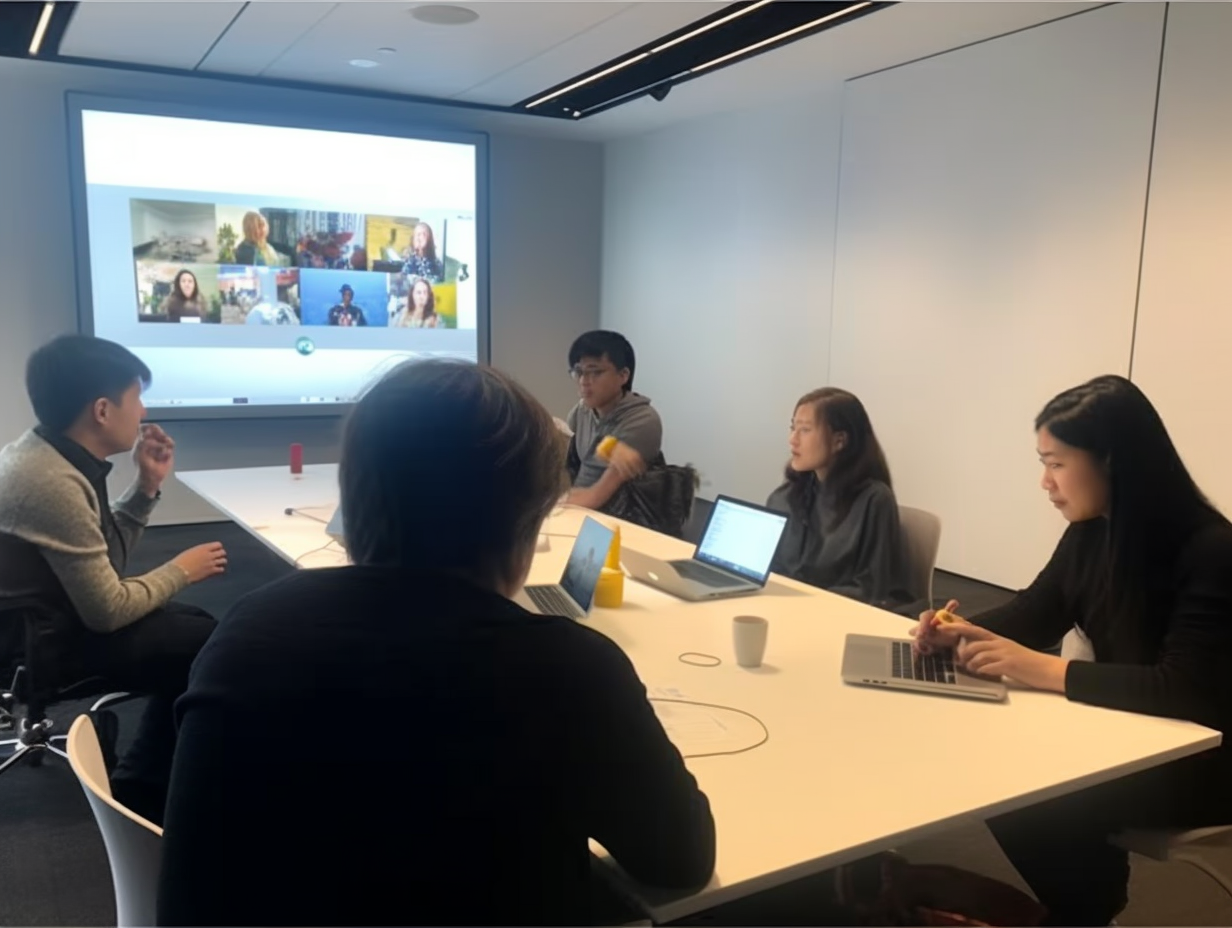
Hybrid meetings are video or audio-based communication sessions among co-located and remote participants.
-
The prevalence of hybrid meetings has brought benefits and unique challenges.
-
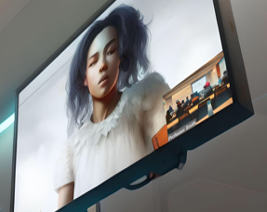
Communication in hybrid meetings is often segmented by space.
Existing Issues
Cross-space interactions, wherein in-person and remote attendees engage with each other, are less smooth and frequent.
Why?
Current popular technology originally designed for fully remote communication.
Physical conference rooms primarily built for fully in-person meetings.
Data Collection and Analysis
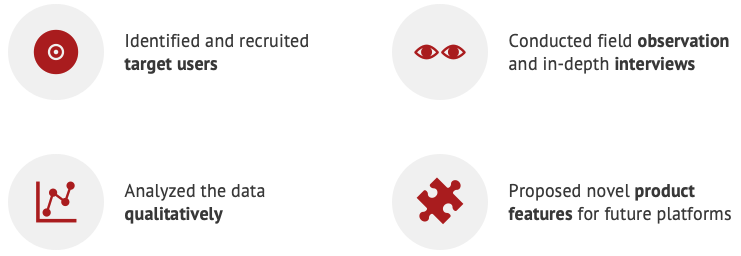
Observations
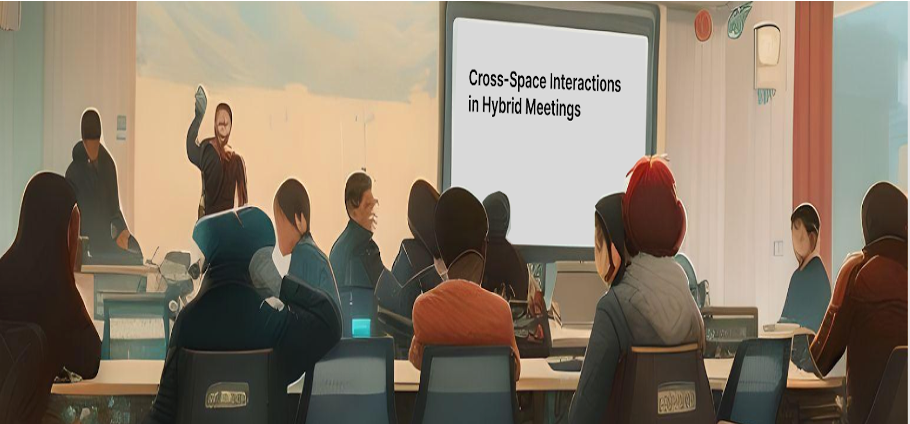
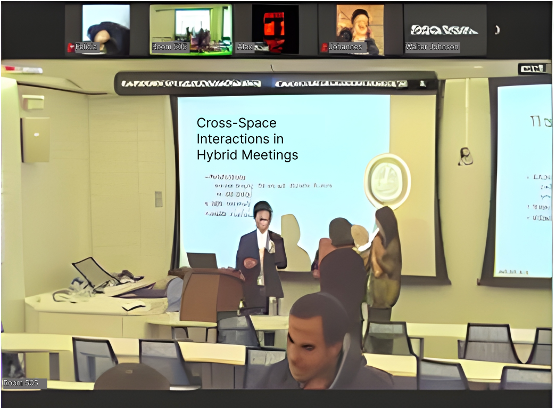
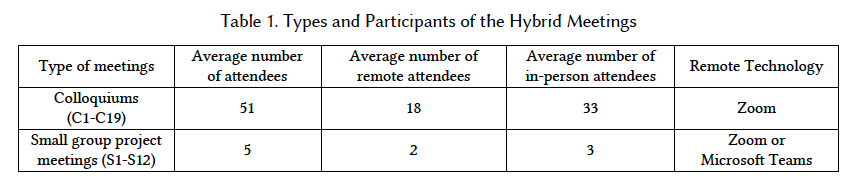
Large colloquiums with an average of 50 attendees in a large university;
Small-group, task-oriented project or planning meetings.
In-Depth Interviews
To uncover underlying reasons for behaviors that we were not able locate based on the observation data alone.
Data Analysis
The lead researcher (me) open-coded the data in ATLAS.ti to create 45 initial codes from the observations and 46 from the interviews. Two other colleagues were then invited to discuss the codes as a group and create the final themes.
Pain Points
Example: Imbalanced Conversational Power
Contrary to previous work, which highlighted collocated participants dominating meetings, we found participation was largely determined by where the conversational power resided.
Number of attendees was an important factor affecting conversational power. The medium that has more attendees holds the power of speaking and influences behaviors of those from the other medium.
More on Design Implications
See explanations of these design implications on the right.
What Did I Do?
So What?
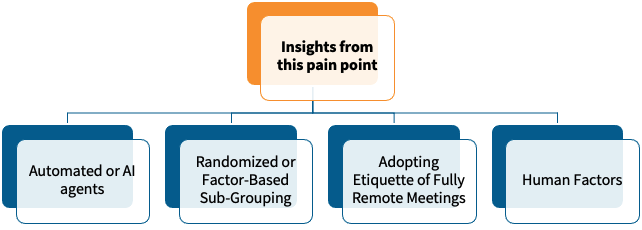
Automated or AI agents
Designed to choose the right time and naturally diverge attention to remote attendees when needed.
Randomized or Factor-Based Sub-Grouping
Address challenges related to awareness and co-presence by delivering only a view of a smaller group of in-person and remote attendees across space.
Adopting Etiquette of Fully Remote Meetings
Organizations can mitigate the power differences by adopting a remote culture and making it more effortless to shift people’s attention to the remote modality.
Human Factors
Coaching human facilitators and attendees.
Automated or AI agents
Designed to choose the appropriate time and naturally diverge attention to remote attendees when needed.
Randomized or Factor-Based Sub-Grouping
Address challenges related to awareness by delivering only a view of a smaller group of in-person and remote attendees across space.
Motivating Human Agency
Adopt a remote culture to mitigate the power differences and make it more effortless to shift attention to the remote modality.
Train AI or human facilitators to encourage remote contributions, bridging the gap between in-person and remote attendees.